
Transfer Press Stamping FAQ
Manufacturers that need durable, repeatable, and cost-effective components often turn to transfer press stamping for high-volume production. This metal forming process is widely used to create complex custom metal stamped parts with tight tolerances and consistent quality.
From automotive brackets to appliance components, transfer press metal stamping supports a wide range of industries that rely on precision and dependable production speeds. We know as a global metal stamping manufacturer how important those two elements are.
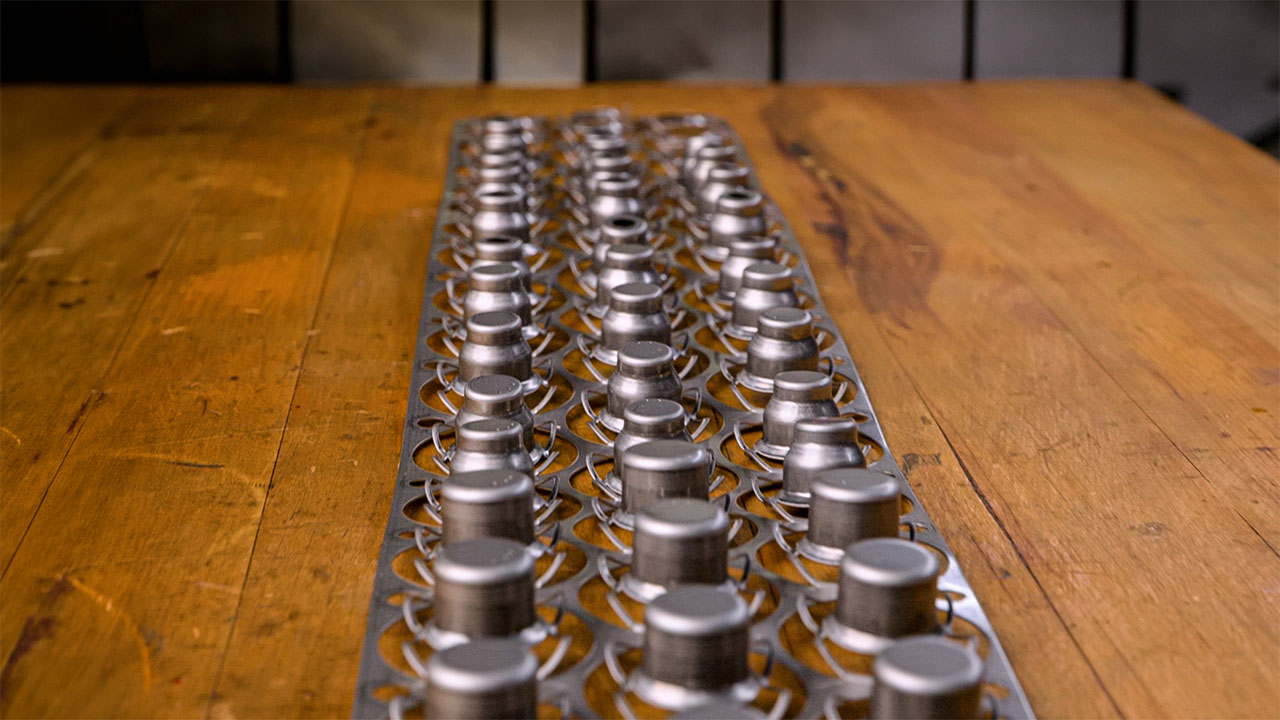
Below are answers to common questions companies often ask about transfer stamping and how it supports modern manufacturing.
What Is Transfer Press Stamping?
Transfer press stamping is a manufacturing method that moves metal parts from one die station to another during production. Unlike progressive dies, where the strip remains connected throughout the process, transfer die stamping separates the part early and transfers it mechanically between stations. This allows manufacturers to create larger or more complex stamped metal parts with multiple forming operations.
How Does the Transfer Press Stamping Process Work?
The transfer press stamping process begins with a sheet or blank of metal placed into the press. Automated transfer fingers or rails move the material between stations where different metal forming operations take place. These stages may include bending, punching, drawing, trimming, or coining. Once complete, the finished metal stampings are removed for inspection or secondary processing.
What Types of Parts Are Made With Transfer Stamping?
Transfer stamping is commonly used for custom metal stamping projects that require detailed geometries or deep-drawn shapes. Industries often use this process for automotive components, electrical housings, brackets, structural supports, and appliance parts. Because the process supports precision metal stamping, it is ideal for applications where consistency and accuracy are critical.
What Materials Can Be Used for Transfer Stamping?
Manufacturers can use a variety of materials for transfer die stamping, including stainless steel, aluminum, copper, brass, and carbon steel. Material selection depends on the product’s strength requirements, corrosion resistance, conductivity, and overall performance expectations. At Trans-Matic, we can recommend the right alloy based on the application and production goals.
What Are the Benefits of Transfer Press Stamping?
Transfer press metal stamping offers several advantages for high-volume production. It supports faster cycle times, excellent repeatability, and reduced material waste. Because parts move independently between stations, the process can accommodate larger and more intricate designs than some other metal forming methods. Companies also benefit from improved production efficiency and lower per-part costs over long manufacturing runs.
How Are Transfer & Progressive Die Stamping Different?
The biggest difference is how the material moves through production. In progressive die stamping, the metal strip stays connected as it advances through each station. In transfer press stamping, the part is separated and mechanically transferred between stations. This makes transfer stamping better suited for larger components, deeper draws, and more complex metal forming requirements.
Is Transfer Press Stamping Suitable for Custom Parts?
Yes. Transfer press stamping is often selected for custom parts because it provides flexibility in part geometry and forming complexity. Manufacturers can produce intricate shapes while maintaining tight tolerances and consistent quality standards. This makes the process valuable for companies that need reliable production of specialized stamped metal parts.
Why Is Precision Important in Metal Forming?
Precision directly affects part fit, function, and overall product reliability. With metal stamping, even small inconsistencies can impact assembly performance or increase waste. Advanced tooling, experienced operators, and controlled production systems help ensure that each part meets exact specifications throughout the metal forming process.
Reach Out to Our Team Today
Transfer press stamping remains one of the most effective manufacturing solutions for companies that need high-quality parts produced at scale. As a global metal stamping company, we can use this method to create complex shapes efficiently and consistently for your business. Ready to get a project started with Trans-Matic? Fill out our online contact form today to schedule a consultation.
