
Reducing Scrap & Improving Material Efficiency in Metal Forming
Every pound of scrap metal that hits the shop floor is material a manufacturer already paid for and never turned into a finished part. Rising material costs and tighter margins have pushed metal stamping companies to treat scrap reduction as a core part of production planning, not an afterthought.
As a global metal stamping manufacturer with plants in the U.S., Mexico, and China, we build material efficiency into a project long before a die ever cuts steel.
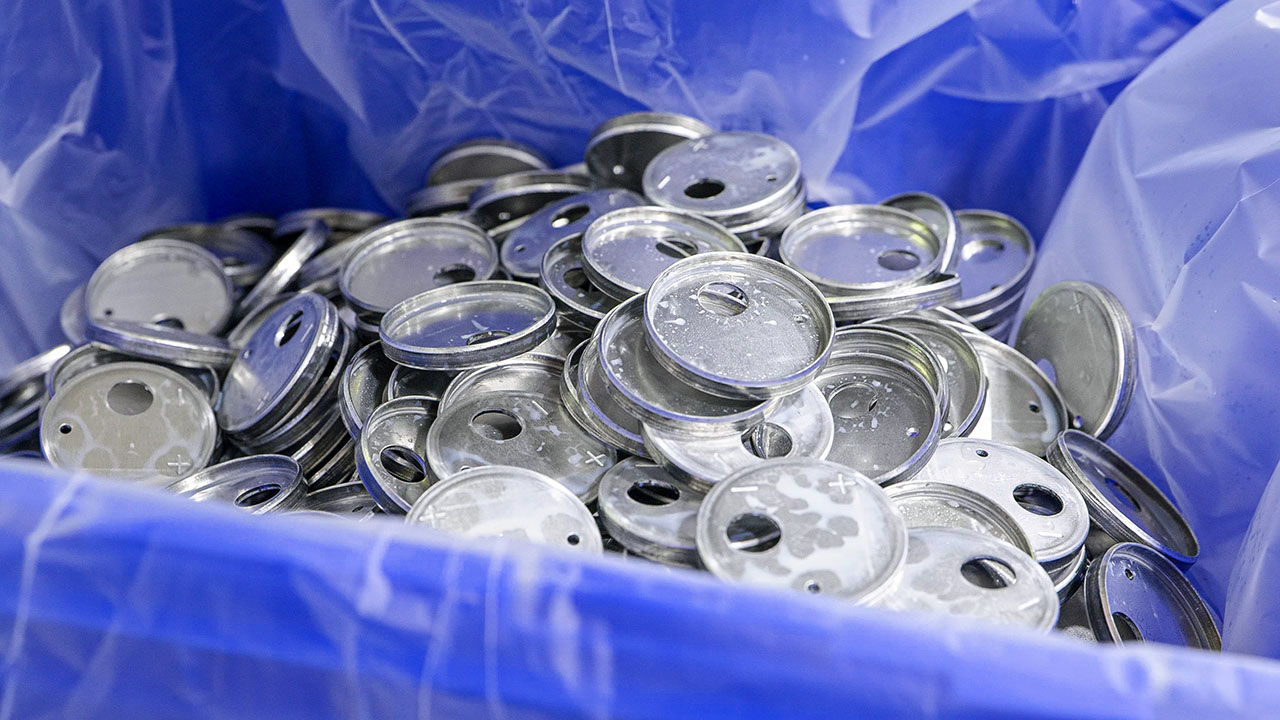
Here’s what you need to know about reducing scrap and improving material efficiency in metal forming.
Why Material Efficiency Matters in Metal Stamping
Scrap isn’t just wasted metal. It also represents wasted press time, wasted labor, and wasted energy that never turns into a sellable part.
For manufacturers running high volumes in deep draw metal forming, progressive die stamping, or transfer press stamping, even a small gain in yield can add up to real savings across a production run. Customers evaluating suppliers increasingly weigh material efficiency alongside piece price, especially in the automotive industry where volumes are high and margins are thin.
Material Selection & Design for Manufacturability
Scrap reduction starts before the first part is ever stamped. Choosing the right metal stamping materials and coil width for a part’s geometry cuts down trim waste and improves how efficiently blanks nest on the strip.
Design for manufacturability plays just as large a role. Adjusting flange size, hole placement, and part orientation during product development and prototyping can eliminate wasted material without changing how the finished part performs.
Optimizing Die Design & Strip Layout
Die design and strip layout determine how tightly parts can be packed onto a coil. A tighter nest means less metal ends up in the scrap bin at the end of the run.
Common levers manufacturers pull to improve strip utilization include:
- Rotating or mirroring part orientation to reduce gaps between blanks
- Designing multi-part-per-stroke dies for higher-volume runs
- Sharing common tooling features across similar part families
- Revisiting blank size and edge trim after early production runs
Small layout changes made early in tooling design are far less expensive than reworking a die after production has already started.
Value Engineering & Process Improvements
Material efficiency rarely gets solved once and left alone. Ongoing value engineering reviews look at tolerances, part geometry, and process steps to find savings that weren’t obvious at launch.
These reviews often catch opportunities that design teams miss the first time around. A tolerance that’s tighter than the application requires, or a secondary operation that could be built into the metal stamping process, can both drive up material use and cost without adding value.
Can Stamping Scrap Get Recycled & Reused?
Not all scrap can be engineered away, and that’s where recycling comes in. Baling and selling stamping scrap back into the metal supply chain recovers value from material that would otherwise be a pure loss. Many manufacturers also track scrap rates by job and by press, which makes it easier to spot process drift before it becomes a bigger cost problem.
Speak With Our Team Today
Reducing metal scrap isn’t just good for the environment. It’s good for the bottom line, and it starts with a manufacturing partner who treats material efficiency as part of the engineering process, not an afterthought.
As a global metal stamping company, we have spent decades refining deep draw and progressive die tooling to get more usable parts out of every coil. Ready to get a project started with Trans-Matic? Fill out our online contact form today to schedule a consultation.
